
Introduction: Why Web Scraping Ecommerce is Key to Business Success
In the fast-paced world of e-commerce, having access to accurate, real-time data is critical for staying competitive. Whether you’re tracking competitor pricing, analyzing market trends, or gathering customer feedback, web scraping ecommerce provides a powerful solution to automate data collection. This article will explore how web scraping can help your e-commerce business grow by collecting valuable insights from the web, optimizing pricing strategies, and improving market analysis.
- Introduction: Why Web Scraping Ecommerce is Key to Business Success
- What is Web Scraping Ecommerce?
- Key Benefits of Web Scraping Ecommerce for Your Business
- How to Scrape Ecommerce Data for Business Growth
- Legal and Ethical Considerations for Web Scraping Ecommerce
- Conclusion: Leveraging Web Scraping Ecommerce for Business Success
What is Web Scraping Ecommerce?
Web scraping ecommerce refers to the process of using automated tools or scripts to collect data from e-commerce websites. This data can include product details, pricing information, customer reviews, sales data, inventory levels, and more. By scraping data from multiple sources, e-commerce businesses can gather real-time information that helps them make informed decisions, optimize their strategies, and stay ahead of competitors.
Web scraping ecommerce allows businesses to collect large amounts of data efficiently, without the need for manual research. This automated process provides valuable insights that can enhance pricing strategies, improve product offerings, and boost customer acquisition efforts.
Key Benefits of Web Scraping Ecommerce for Your Business
-
Competitive Price Monitoring
One of the most significant benefits of web scraping ecommerce is the ability to monitor competitor pricing in real-time. By scraping pricing data from competitor websites, e-commerce businesses can track how prices fluctuate over time and adjust their own prices accordingly. This enables businesses to stay competitive and ensure their products are priced optimally for the market. -
Market Trend Analysis
Web scraping allows businesses to analyze market trends by tracking product availability, customer preferences, and demand for specific items. By scraping data on product listings, reviews, and sales, businesses can identify which products are trending, what features customers value most, and how demand changes over time. This insight can guide inventory decisions and marketing strategies. -
Customer Sentiment and Feedback
Scraping customer reviews and ratings can provide valuable insights into customer sentiment. By analyzing feedback, e-commerce businesses can identify common pain points, improve their products, and enhance the overall customer experience. This helps businesses increase customer satisfaction and retention. -
Lead Generation
In addition to scraping product data, web scraping ecommerce can also help generate leads by collecting contact information from potential clients or partners. For example, you can scrape business directories or vendor listings to create a targeted list of leads for outreach and sales efforts. -
Product Sourcing and Supplier Analysis
For businesses involved in product sourcing or dropshipping, web scraping is an excellent tool for finding reliable suppliers and products. By scraping data from supplier websites or product listings, you can identify the best suppliers, monitor inventory levels, and track product availability to ensure you always have stock for your customers.
How to Scrape Ecommerce Data for Business Growth
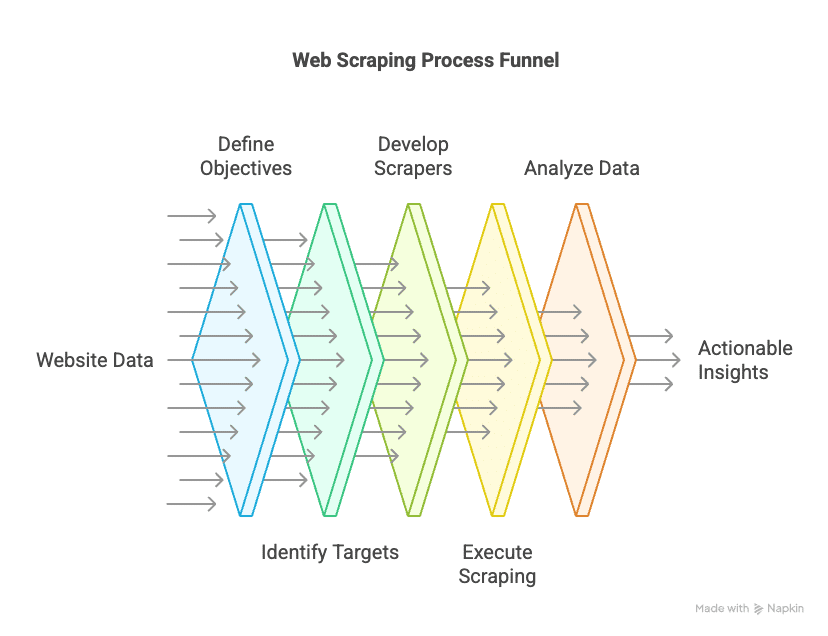
To effectively scrape e-commerce data, follow these steps:
1. Choose the Right Scraping Tool
The first step in implementing web scraping ecommerce is selecting the right tool. Some popular scraping tools include:
- Scrapy: An open-source Python framework for large-scale web scraping.
- Octoparse: A no-code web scraping tool that is easy to use for beginners.
- ParseHub: A visual scraping tool that supports scraping dynamic websites.
- BeautifulSoup: A Python library used for parsing HTML and XML documents.
When choosing a tool, consider your team’s technical skills, the scale of the data you need, and the complexity of the websites you’ll be scraping.
2. Identify Your Data Sources
Before you begin scraping, determine which websites will provide the most valuable data. For e-commerce businesses, key data sources include:
- Competitor websites: Scraping product pricing, promotions, and reviews.
- Marketplaces: Extracting product listings, prices, and inventory data from online marketplaces like Amazon, eBay, or Shopee.
- Social media: Collecting user-generated content, customer feedback, and sentiment analysis from platforms like Twitter, Instagram, or Facebook.
By identifying the right sources, you can ensure that your web scraping efforts are focused on collecting the most relevant data for your business.
3. Set Up Scraping Parameters
Once you’ve selected your tool and identified your data sources, configure the scraping tool with the following parameters:
- Data points: Define the specific data you want to collect (e.g., product names, prices, customer reviews).
- Frequency: Decide how often you need to scrape data (e.g., daily, weekly).
- Output format: Choose the format for exporting the scraped data (e.g., CSV, JSON, or Excel).
Configuring your scraping tool properly ensures that the data you collect is relevant and usable.
4. Run Your Scraper
Once your scraper is set up, run it to start collecting data. Make sure to monitor the process to ensure that the tool is scraping the correct data and operating smoothly. If you notice any issues (e.g., missing data or incorrect formatting), adjust your parameters accordingly.
5. Clean and Analyze the Data
After scraping the data, it’s important to clean and organize it for analysis. This involves removing duplicates, correcting errors, and formatting the data in a way that makes it easy to analyze. You can use tools like Excel, Google Sheets, or business intelligence platforms to visualize and interpret the data.
Legal and Ethical Considerations for Web Scraping Ecommerce
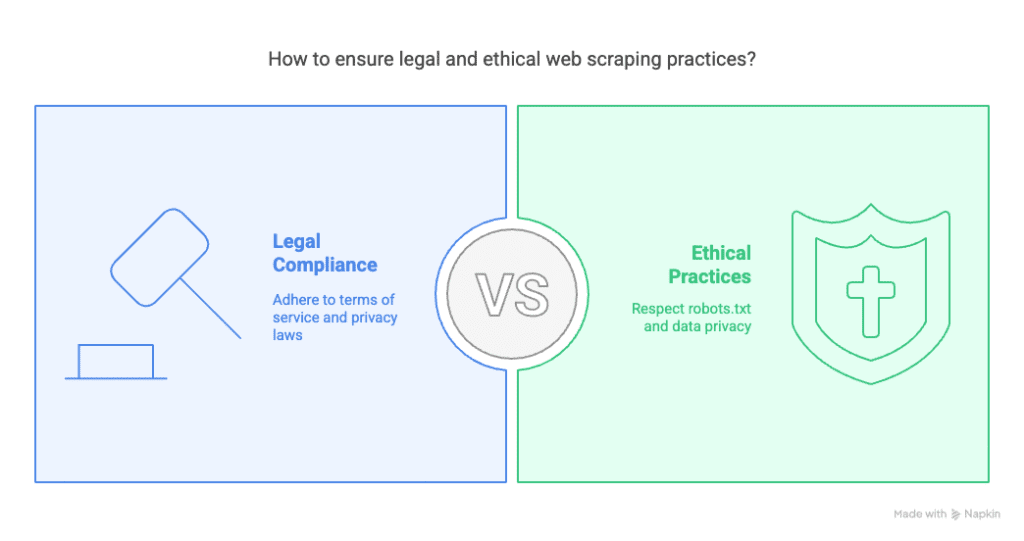
While web scraping ecommerce offers many advantages, it’s important to follow legal and ethical guidelines:
- Review Website Terms of Service: Always check the terms of service of the websites you plan to scrape to ensure that scraping is allowed.
- Respect Robots.txt: Websites use the robots.txt file to specify which parts of the site can be scraped. Be sure to review and follow these guidelines.
- Data Privacy: If you’re scraping personal data, make sure to comply with privacy regulations like GDPR to avoid legal issues.
Conclusion: Leveraging Web Scraping Ecommerce for Business Success
Web scraping ecommerce is a powerful tool that can help businesses collect valuable data to stay competitive, improve market analysis, and enhance decision-making. By automating data collection, you can save time, gain insights into customer behavior, and optimize your pricing strategies. Whether you’re tracking competitor pricing or gathering customer reviews, web scraping enables you to make data-driven decisions that drive business growth.
For more information on how Easy Data can help with your web scraping needs, visit EasyData.io.vn.
External Links
Leave a Reply