

If you sell on ecommerce marketplaces, monitor competitors’ pricing, track product performance, or want to better understand your customers, data is probably part of your daily workflow. However, not every business has the time, budget, or technical team to build a complete data infrastructure from scratch.
That’s why more ecommerce businesses are adopting the data as a service business model. Instead of collecting and processing data on their own, they rely on standardized data provided by external vendors to support analysis, decision-making, and business growth.
What Is the Data as a Service Business Model in Ecommerce?
In ecommerce, the data as a service business model allows businesses to access data from a third-party provider instead of building and maintaining their own data collection and processing infrastructure. Simply put, companies “subscribe” to the data they need and use it directly to support their day-to-day operations.
This data may include:
- Market and category data
- Competitors’ pricing and promotional activities
- Brand performance across ecommerce marketplaces
- Customer behavior and shopping trends
- Product and catalog data
This approach helps businesses reduce implementation time, lower upfront investment, and start using data much faster than building an in-house data system.
Traditional Data Infrastructure vs. Data as a Service Business Model
| Criteria | Traditional Data Infrastructure (On-premise) | Data as a Service (DaaS) |
| Cost | Requires significant investment in servers, software, and technical resources (CapEx). | Pay through subscriptions or based on actual usage (OpEx). |
| Deployment Time | Building data collection and processing infrastructure can take months. | Data can often be accessed shortly after integration or service activation. |
| Scalability | Expanding infrastructure requires additional time and investment. | Resources can be scaled up or down based on business needs. |
| Data Management | The business is responsible for collecting, cleaning, maintaining, and updating data. | The provider is responsible for maintaining data quality and keeping it up to date. |
Common DaaS Pricing Models for Ecommerce
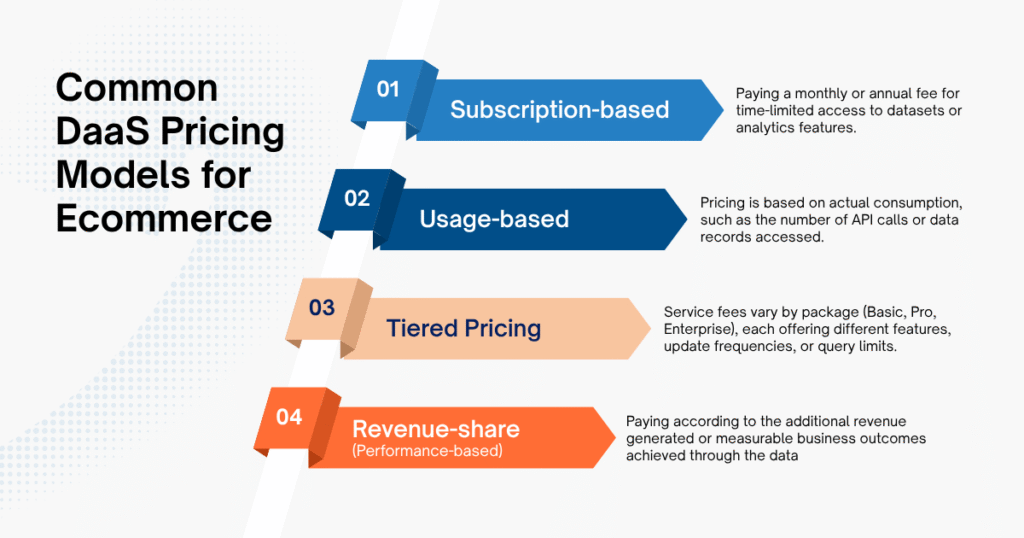
One reason the data as a service business model has become increasingly popular in ecommerce is its flexible pricing. Instead of making a large upfront investment, businesses can choose a pricing model that matches their data requirements and budget.
Subscription-based
Businesses pay a monthly or annual subscription to access datasets or analytics features for a fixed period. This model makes budgeting more predictable and works well for companies that need ongoing access to data, such as competitor pricing, product performance, or marketplace monitoring.
Usage-based
Pricing is based on actual consumption, such as the number of API calls or data records accessed. This model is a good fit for businesses whose data needs fluctuate over time, especially during seasonal campaigns or peak sales periods.
Tiered Pricing
Providers offer multiple service plans, ranging from basic to advanced. Higher-tier plans typically include faster data updates, broader data coverage, more detailed dashboards, or additional support for business teams.
Revenue-share or Performance-based
Some data analytics platforms and retail media networks charge based on performance rather than a fixed subscription fee. Businesses pay based on the additional revenue generated or the measurable business outcomes achieved through the data. While this pricing model remains less common than subscriptions, it is increasingly adopted across retail and digital advertising ecosystems.
Benefits of the Data as a Service Business Model for Ecommerce Companies
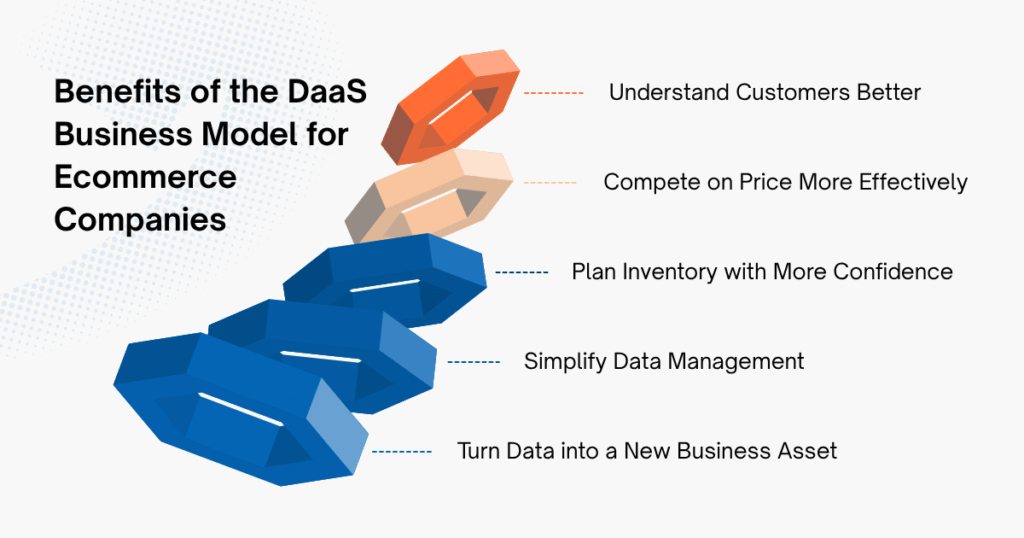
For ecommerce businesses, the value of the data as a service business model goes beyond simply having more data. It gives teams faster, more flexible access to the information they need, so they can respond to market changes and make timely decisions. Instead of building a full data collection, processing, and management infrastructure, businesses can rely on DaaS to support a wide range of ecommerce operations.
Understand Customers Better
One of the most valuable applications of the data as a service business model in ecommerce is customer personalization. With access to shopping behavior, interaction history, consumer trends, and third-party data, businesses can gain a deeper understanding of their customers and build more accurate audience segments.
Instead of sending the same message to every customer, businesses can tailor campaigns to different customer groups. For example, a cosmetics brand may discover that customers who purchase sunscreen often buy serums as well, allowing the brand to recommend complementary products or create more relevant product bundles. This approach improves the shopping experience while also helping increase average order value.
Compete on Price More Effectively
Pricing on ecommerce marketplaces changes quickly, especially during major promotional campaigns or when competitors adjust their prices frequently. Relying on manual monitoring often makes it difficult for businesses to react in time.
With the data as a service business model, businesses can access near real-time data on competitor pricing, promotional campaigns, and market competition from multiple sources. These insights help ecommerce teams adjust pricing strategies, design more competitive promotions, and evaluate their market position across different product categories.
Plan Inventory with More Confidence
Demand forecasting has always been one of the biggest challenges in ecommerce. Ordering too little inventory can lead to stockouts during peak seasons, while overstocking increases inventory costs and reduces operational efficiency.
By combining internal sales data with market data delivered through DaaS, businesses can better understand consumer demand, identify fast-growing products, and make more accurate inventory planning decisions. This is especially valuable in fast-moving industries such as Beauty, Fashion, and Mother & Baby, where external market data helps businesses respond more quickly to changing consumer trends.
Simplify Data Management
Not every business has the resources to build a dedicated data team or maintain a complex data infrastructure simply to generate market insights.
With the data as a service business model, most of the work involved in collecting, cleaning, standardizing, and updating data is handled by the provider. Businesses can access the information they need through APIs, dashboards, or ready-made reports instead of managing the entire data pipeline themselves. This reduces infrastructure costs, lowers technical resource requirements, and significantly shortens deployment time.
Many DaaS providers also comply with privacy and security standards such as GDPR and CCPA, helping businesses reduce the burden of data governance and regulatory compliance.
Turn Data into a New Business Asset
Beyond improving day-to-day operations, the data as a service business model can also create new revenue opportunities for businesses that own valuable data assets.
Some ecommerce marketplaces, large retailers, and companies with substantial transaction data have begun packaging anonymized data into commercial data products. After applying appropriate privacy protections, they can provide market insights to brands, suppliers, or research organizations through data services.
This approach is becoming increasingly common alongside the growth of Retail Media and data monetization, particularly among businesses with large customer ecosystems and rich transactional datasets.
Real-World Examples: How Top Ecommerce Brands Leverage DaaS
Many leading companies have adopted the data as a service business model in different ways, from personalizing customer experiences to turning data into a commercial product.
Amazon: Personalization at Scale
Amazon is one of the best-known examples of using data at scale in ecommerce. Through Amazon Personalize, businesses can use behavioral data to build product recommendation systems without developing recommendation algorithms from scratch.
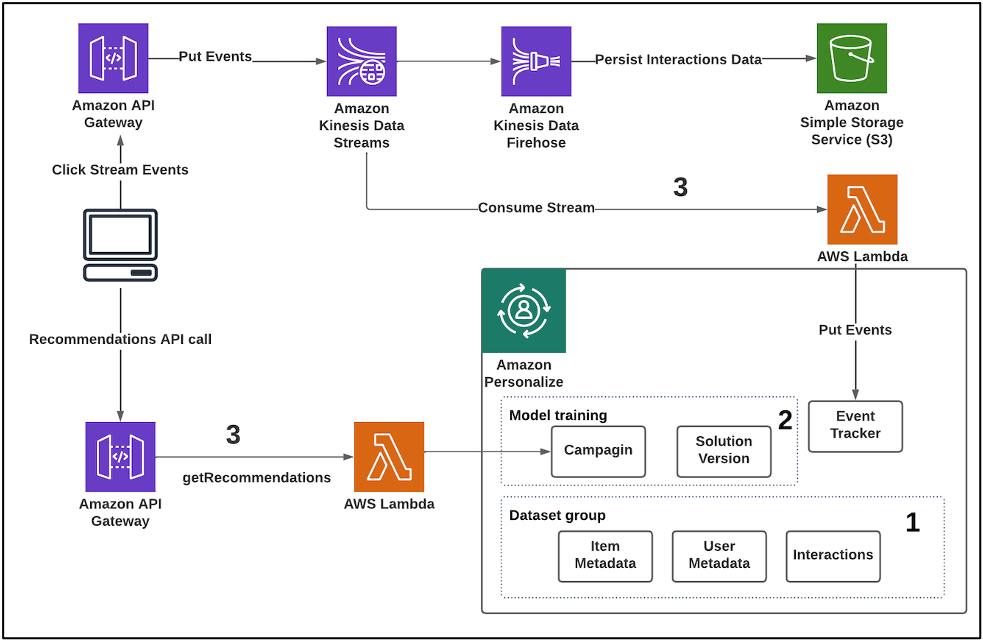
Using APIs, businesses feed customer interaction data into the platform and receive real-time personalized recommendations in return. This approach demonstrates how the data as a service business model can shorten implementation time while helping businesses make better use of their data.
Carrefour Links: Turning Retail Data into a Business
Carrefour is a strong example of data monetization in the retail industry. Through its Carrefour Links platform, the company gives brands access to anonymized customer shopping data. Partners can use these insights to analyze consumer behavior, measure marketing campaign performance, and optimize advertising while maintaining customer privacy.
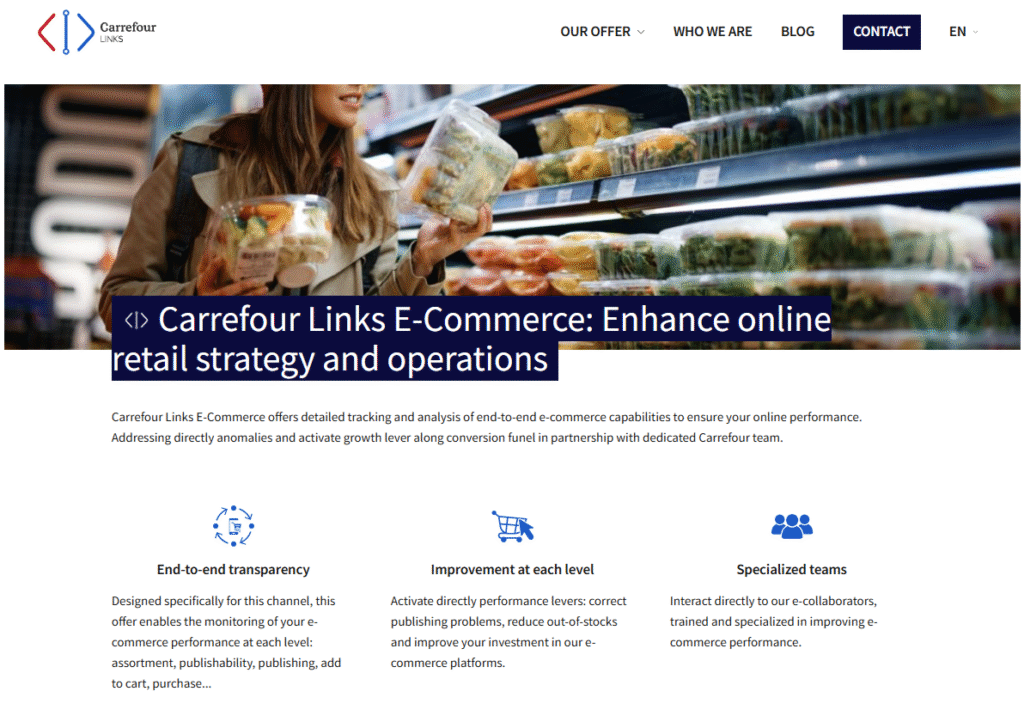
This illustrates how the data as a service business model can go beyond supporting internal operations and become a new source of business revenue.
ShareThis: Delivering Behavioral Data
ShareThis collects behavioral data from millions of websites to provide a broader view of consumers’ online journeys.
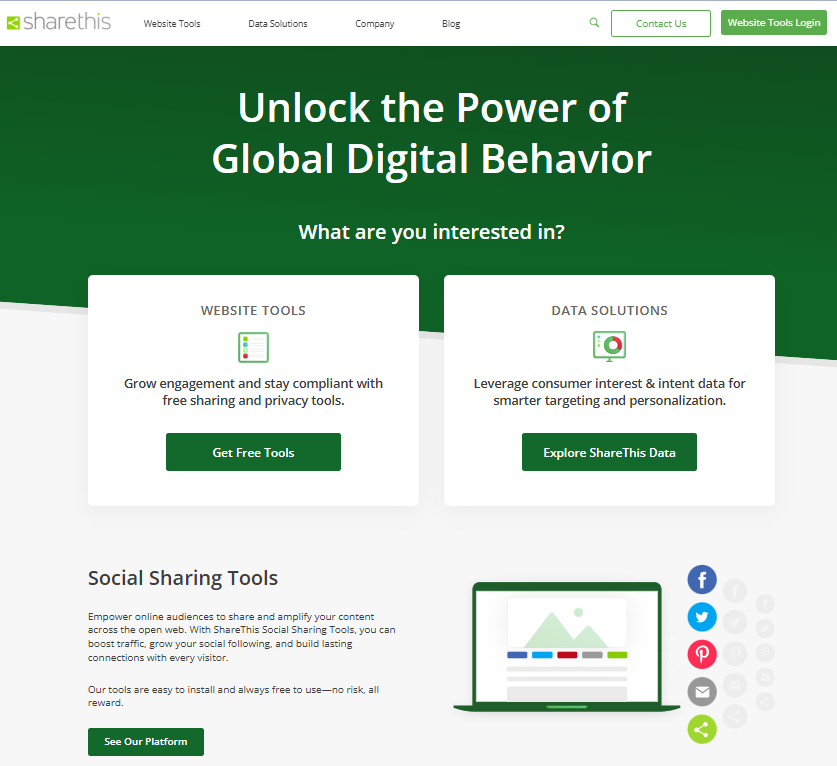
The data is distributed through platforms such as AWS Data Exchange, allowing ecommerce businesses to enrich their analytics with third-party data instead of collecting information from multiple sources themselves. This is another example of how the data as a service business model helps businesses access valuable data more quickly and efficiently.
How DaaS Is Evolving for Modern Ecommerce
As demand for data continues to grow, DaaS providers are also changing the way they deliver their services. In the past, businesses typically received raw data through CSV files or APIs and handled the analysis themselves. Today, many providers include built-in data processing, analytics, and visualization so businesses can start using the data much sooner.
Learn more: The Growth of the Data as a Service Market in 2026
This shift is particularly relevant in ecommerce. On marketplaces like Shopee and Lazada, for example, the displayed price of a product during major sales campaigns is often influenced by multiple promotions at the same time, including Flash Sales, seller vouchers, platform vouchers, free shipping coupons, and multi-buy discounts. Looking only at the final selling price makes it difficult to accurately evaluate competitors’ pricing strategies or understand market movements.
Easy Data follows this approach. In addition to providing data from Shopee, Lazada, and TikTok Shop, the platform processes, standardizes, and visualizes the data through interactive dashboards, allowing ecommerce teams to analyze market performance and make decisions more quickly.
Conclusion
For ecommerce businesses, the data as a service business model provides a faster and more flexible way to access data than building an in-house data infrastructure from the ground up. Companies can start with specific use cases such as competitor price monitoring, market analysis, or demand forecasting, then expand their data capabilities as their business grows.
More importantly, the data as a service business model helps shorten the gap between data and action. When data is already standardized, continuously updated, and ready to use, ecommerce teams can respond more quickly to changing market conditions. As a result, DaaS is becoming an increasingly important part of how ecommerce businesses use data to build a competitive advantage.
Leave a Reply