

Use these 100 web scraping examples as project ideas across ten industries. They are starting briefs, not 100 tested scrapers or promises of source availability. A worked product-price comparison below shows how to define a record, handle missing values and compare like-for-like offers. This article was first published in 2025; the original dated illustrations are retained, while the guidance has been revised.
What is Web Scraping?
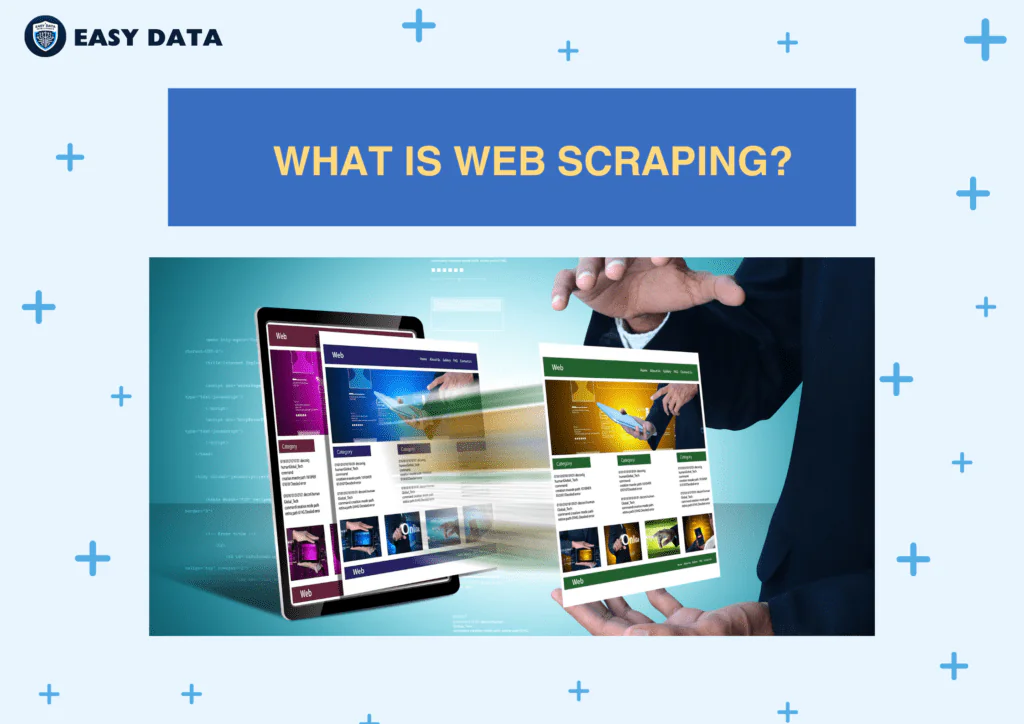
Web scraping is the process of extracting data from websites using automated tools or scripts. It involves fetching web pages, parsing their content, and extracting specific information like text, images, or links. With the right tools and techniques, web scraping can be used for a wide range of applications, from competitive analysis to academic research.
Before choosing software, identify a permitted source and the fields needed for your decision. An official export or API may provide them more reliably than parsing pages. If HTML collection is appropriate, separate retrieval, extraction and validation; our web scraping tools evaluation guide explains those roles.
Why Use Web Scraping?
A useful collection answers a defined question. The benefit depends on source coverage, collection cost and whether the fields survive validation:
- Automate Data Collection: Repeat a defined collection and record failures. Include maintenance and review time when assessing savings.
- Gain Competitive Insights: Compare public offers at recorded collection times. A scheduled snapshot does not reveal every change between runs.
- Enhance Decision-Making: Retain the source, timestamp, units and missing-value reasons so a decision can be checked later.
- Support Research and Modelling: Establish permitted use, representative sampling and field quality before treating collected rows as training or evaluation data.
For each idea, write a small collection brief: the question, source, record key, required fields, update interval and acceptance criteria. Review access and reuse terms first. RFC 9309 distinguishes robots directives from access authorisation; honour crawler rules without treating them as a licence. The joint statement from privacy regulators also explains that public personal information remains subject to applicable data-protection laws. Prefer non-personal fields and define retention and access controls.
100 Web Scraping Project Ideas
Choose a category, then verify a specific source before building. The ten groups contain ten ideas each. Use the checks below to distinguish observed page fields from quantities that require an authorised account, licensed feed or separate measurement.
1. E-Commerce and Retail
- Scrape product prices for price comparison websites.
- Compare repeated price snapshots for the same seller, variant and currency.
- Analyse permitted review text in aggregate, with sampling limits and unnecessary personal details removed.
- Check your own catalogue against authorised supplier descriptions and specifications.
- Track visible availability labels; obtain authorised stock data if exact inventory is required.
- Record published trending lists with their date and ranking definition.
- Record published coupon terms, eligibility and expiry alongside the advertised discount.
- Compare displayed shipping charges and estimated delivery for the same destination and basket.
- Build a visual-search catalogue from product images you have permission to reuse.
- Monitor flash sales and limited-time offers.
Worked example: compare a single product variant. These are fictional offers in USD for the same two-pack, destination and observation time. They are an arithmetic exercise, not prices collected from a live shop. Store source URL, observed_at, seller ID, product/variant ID, pack quantity, currency, item price, shipping, availability and a missing-field reason for each record. Keep a missing shipping charge as unknown, not zero.
| Offer | Price + shipping | Total |
|---|---|---|
| A | Two-pack: $18.00; shipping: $4.00 | $22.00 per pack; $11.00 per item |
| B | Same two-pack: $20.00; shipping: $1.00 | $21.00 per pack; $10.50 per item |
| C | Same two-pack: $17.00; shipping missing | Unknown: exclude from the delivered-cost ranking |
Offer B costs $1.00 less per delivered pack than A, about 4.55% of A’s $22.00 total. Comparing item price alone would select A incorrectly. Do not rank C until shipping is known. Keep unmatched variants, currencies and pack sizes outside this comparison, and deduplicate using source, seller, product, variant and observation time. Our Lazada extraction guide adds a reproducible fictional parsing exercise and field checks. For source selection, use our ten ecommerce data sources and comparison worksheet to check platform access, field meanings and limits before collecting.
2. Finance and Investment
- Scrape stock prices and financial news.
- Extract cryptocurrency prices and trends.
- Gather economic indicators from government websites.
- Archive permitted exchange-rate observations with the timestamp, currency pair and source methodology.
- Collect dividend data for investment analysis.
- Scrape company profiles for due diligence.
- Extract earnings reports and financial statements.
- Track published ownership filings and their filing dates; distinguish reported transactions from filing time.
- Gather data on mutual funds and ETFs.
- Monitor real estate listings for investment opportunities.
For US company filings, start with the SEC’s official developer resources: company submissions and extracted XBRL data are available through APIs. Observe the published fair-access policy and retain filing period, units and amendments. These APIs are not a live stock-price feed; a collection project is not an investment recommendation.
3. Marketing and SEO
- Track permitted search-result observations with query, locale, device context and timestamp.
- Record links found in your defined crawl; a limited crawl is not a complete backlink index.
- Monitor social media trends and hashtags.
- Build a directory of public company service categories and official contact-page URLs, without harvesting personal email addresses.
- Catalogue article titles, topics and source links for editorial research rather than republishing others’ text.
- Analyze competitor ad campaigns.
- Extract influencer profiles for partnerships.
- Monitor online reviews and ratings.
- Scrape forum discussions for market insights.
- Analyse traffic and engagement from your own authorised analytics export; these private metrics cannot be inferred by scraping public pages.
Keep public-page observations separate from owner-only measurement. For authorised first-party reporting, our GA4 ecommerce measurement guide explains event definitions and measurement limits.
4. Travel and Hospitality
- Scrape flight prices for fare comparison.
- Extract hotel reviews for customer sentiment analysis.
- Gather tourist attraction data for trip planning.
- Monitor car rental prices and availability.
- Scrape travel blog posts for destination ideas.
- Monitor official travel-requirement pages for changes, keeping source links and effective dates for human verification.
- Track weather forecasts for travel planning.
- Extract restaurant menus and reviews.
- Scrape event listings for local activities.
- Monitor travel deals and discounts.
5. Healthcare and Pharmaceuticals
- Collect public study-registration records, identifiers, recruitment status and update dates for research.
- Extract drug prices for cost comparison.
- Review aggregate provider ratings where collection is permitted; avoid collecting identifiable patient narratives.
- Monitor medical news and breakthroughs.
- Scrape FDA approval data for new drugs.
- Extract health insurance plan details.
- Collect fitness and wellness product reviews.
- Track dated public-health surveillance releases with their case definitions and revisions.
- Collect medical publication metadata and permitted abstracts; check separate access and reuse rights for full text.
- Monitor telehealth service availability.
For public trial registrations, inspect the ClinicalTrials.gov API before parsing pages. Registration data describes studies; it is not access to patient records or evidence that a treatment works. Preserve study identifiers, status and update dates, and verify medical interpretations with qualified sources.
6. Real Estate
- Scrape property listings for market analysis.
- Extract rental prices for investment decisions.
- Gather neighborhood reviews and ratings.
- Monitor mortgage rates and trends.
- Scrape real estate agent profiles.
- Collect home improvement cost data.
- Track commercial property availability.
- Extract property tax information.
- Scrape housing market forecasts.
- Monitor foreclosed property listings.
7. Education and Research
- Build a literature-review index from titles, DOIs, publication dates and permitted abstracts.
- Extract course details for online learning platforms.
- Gather university rankings and admission data.
- Monitor scholarship and grant opportunities.
- Scrape research funding announcements.
- Collect textbook prices for cost comparison.
- Summarise permitted student-review themes, stating sample coverage and self-selection limits.
- Track educational webinar and workshop schedules.
- Scrape job postings for career research.
- Monitor educational policy changes.
The Crossref REST API supplies scholarly metadata for literature discovery. Metadata access does not grant permission to download or republish every full article. Record DOI, source and retrieval time, and review licence information separately.
8. Technology and Software
- Scrape software reviews for product development.
- Extract API documentation for integration projects.
- Gather bug reports for quality assurance.
- Monitor tech news for industry trends.
- Scrape open-source project data for collaboration.
- Collect hardware prices for cost analysis.
- Index tutorial titles, topics and original links for a learning catalogue, respecting reuse licences.
- Track software update release notes.
- Scrape developer forum discussions for insights.
- Monitor cloud service pricing and features.
9. Entertainment and Media
- Scrape movie reviews for audience sentiment.
- Extract box office earnings data.
- Gather streaming service content libraries.
- Monitor celebrity news and social media activity.
- Scrape music charts for trend analysis.
- Collect podcast episode details.
- Extract video game reviews and ratings.
- Track published bestseller ranks and list dates; do not convert ranks into units sold.
- Scrape event ticket prices and availability.
- Monitor fan forum discussions for insights.
10. Miscellaneous Use Cases
- Compare public procurement notices, tender deadlines and award notices for a defined jurisdiction.
- Extract government data for policy analysis.
- Use a documented historical weather series with station coverage, units and missing-value checks for climate research.
- Monitor energy prices for cost savings.
- Scrape sports statistics for analysis.
- Compare published charity financial totals and reporting periods without collecting individual donor details.
- Extract legal case data for research.
- Track vehicle prices for market trends.
- Record published auction results, currency and whether the amount includes buyer fees.
- Monitor crowdfunding campaign progress.
Tools and Technologies for Web Scraping
Choose software after inspecting representative source pages. Scrapy’s dynamic-content guidance starts with finding the underlying data source; browser rendering is an additional option when required. Separate these roles:
- Parsing and crawling: Beautiful Soup parses HTML/XML; Scrapy provides a crawling and extraction framework. Selenium WebDriver automates a browser. They solve different parts of the workflow.
- Visual configuration: Tools such as Octoparse, ParseHub and WebHarvy are candidates to evaluate on your actual pages. Test pagination, missing fields, export types and maintenance needs; a visual interface does not remove validation work.
- Hosted execution: Apify Actors can run manually, through an API or on a schedule. Scrapy Cloud is a Zyte service for running scraping code, rather than a separate vendor to count alongside Zyte. Confirm the input, output, source scope and operating cost for the chosen task.
For a structured pilot, see our AI-assisted scraping evaluation worksheet. Record requested inputs, missing results, duplicates and rejected fields before judging usable coverage. No tool in this article has been benchmarked against all 100 ideas.
Conclusion
Choose one of these 100 ideas and turn it into a small, testable brief. Confirm the source and permitted use, define a record, collect representative samples and compare the output with the original source. Report unknown values and failures instead of filling them with assumptions.
Start with the product-price example above: like-for-like identity and complete costs matter more than a large row count. Scale only after your sample meets the acceptance criteria and you know who will maintain the collection when the source changes.
Leave a Reply