


Introduction: Why Web Scraping Real Estate Data is Essential for Market Analysis
In the competitive real estate industry, having access to up-to-date, accurate data is essential for making informed decisions. Traditional methods of gathering real estate data can be time-consuming and costly. However, with web scraping real estate data, businesses can automate the process of extracting key information from multiple websites, providing valuable insights into property prices, trends, and market conditions. This article explores how web scraping real estate data can revolutionize your market analysis and help you stay ahead of the competition.
- Introduction: Why Web Scraping Real Estate Data is Essential for Market Analysis
- What is Web Scraping Real Estate Data?
- 5 Tools for Web Scraping Real Estate Data
- How to Use Web Scraping Real Estate Data for Market Analysis
- Legal and Ethical Considerations for Web Scraping Real Estate Data
- Conclusion: The Power of Web Scraping Real Estate Data
What is Web Scraping Real Estate Data?
Web scraping real estate data refers to the automated process of extracting information from real estate websites, such as property listings, prices, descriptions, and market trends. This data can be used for a variety of purposes, including:
- Market research: Analyzing property prices and trends.
- Lead generation: Collecting contact details of potential buyers and sellers.
- Competitive analysis: Understanding pricing strategies and property offerings from competitors.
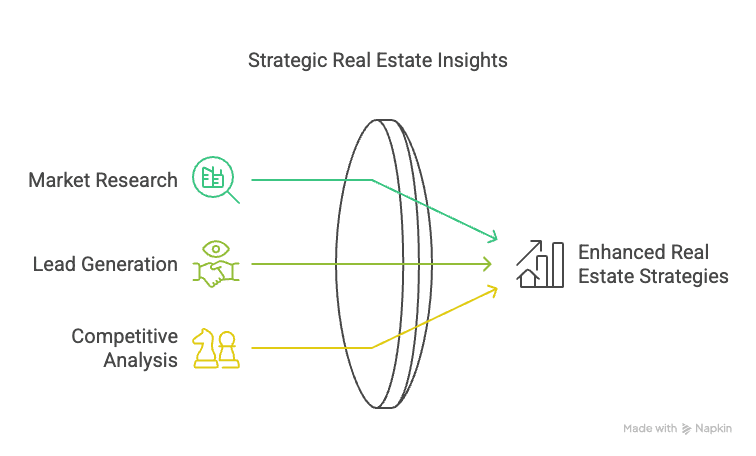
By using web scraping techniques, real estate professionals can save time and gain access to large volumes of data from multiple sources quickly and efficiently.
5 Tools for Web Scraping Real Estate Data
- ParseHub
ParseHub is an intuitive web scraping tool that is perfect for beginners and advanced users alike. It allows users to scrape data from websites with complex structures, including real estate websites with dynamic content. Whether you’re interested in property prices, square footage, or neighborhood trends, ParseHub can help automate the collection of real estate data with ease.
Key Features:
- Visual scraping tool with no coding required
- Supports dynamic content like JavaScript and AJAX
- Exports data in various formats such as CSV, Excel, and JSON
- Octoparse
Octoparse is a versatile and powerful web scraping tool that works well for extracting real estate data from various websites. Its user-friendly interface allows users to scrape real estate listings, property prices, and more without needing any coding knowledge. The free version provides ample features for smaller projects, making it ideal for real estate agents and small businesses.
Key Features:
- No coding required
- Supports scraping from dynamic websites
- Cloud-based for faster data collection
- BeautifulSoup
BeautifulSoup is a Python library that is perfect for developers who want to build custom web scraping scripts for real estate data collection. It is a flexible and powerful tool that allows for easy parsing of HTML and XML documents. While it requires coding skills, it provides complete control over the scraping process.
Key Features:
- Flexible and customizable
- Ideal for developers with Python knowledge
- Works well with other Python libraries
- Web Scraper (Browser Extension)
Web Scraper is a free browser extension for Chrome and Firefox that is perfect for users who want to quickly scrape real estate listings directly from their browser. This tool supports scraping multiple pages of data, making it useful for gathering property listings, prices, and other relevant information from real estate websites.
Key Features:
- Easy-to-use interface for non-technical users
- Supports scraping multiple pages and data export
- No coding required
- Scrapy
Scrapy is an open-source Python framework that is designed for large-scale web scraping. It is ideal for real estate businesses that need to scrape large amounts of data from multiple websites. With Scrapy, users can handle complex scraping tasks such as dealing with CAPTCHAs and scraping data in real-time.
Key Features:
- Open-source and free to use
- Highly customizable and scalable
- Excellent for handling large-scale scraping projects
How to Use Web Scraping Real Estate Data for Market Analysis
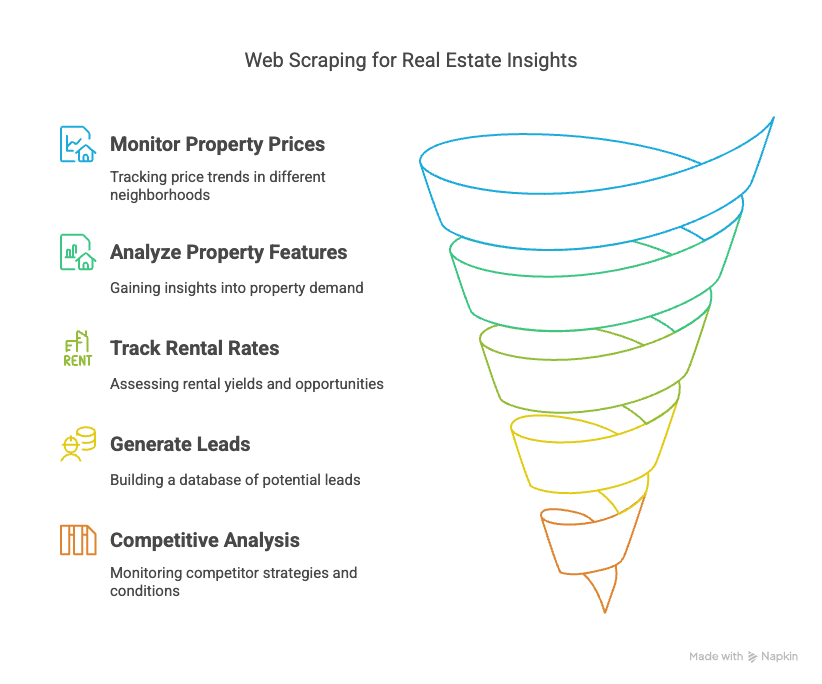
Web scraping real estate data can be a powerful tool for gaining insights into the real estate market. Here’s how you can use the data to improve your market analysis:
- Monitor Property Prices: Use web scraping to collect data on property prices from multiple real estate websites. This will allow you to track price trends in different neighborhoods, helping you make informed investment decisions.
- Analyze Property Features: By scraping data on the features of properties (e.g., number of bedrooms, square footage, location), you can gain insights into the types of properties that are in demand in specific areas.
- Track Rental Rates: Real estate businesses can use web scraping to monitor rental prices in various markets, helping them assess the rental yield and identify investment opportunities.
- Generate Leads: Scrape contact information from real estate listings to build a database of potential leads for buyers and sellers in your market.
- Competitive Analysis: Scrape data from competitor websites to monitor pricing strategies, property offerings, and other market conditions. This will help you stay competitive and adjust your strategy accordingly.
Legal and Ethical Considerations for Web Scraping Real Estate Data
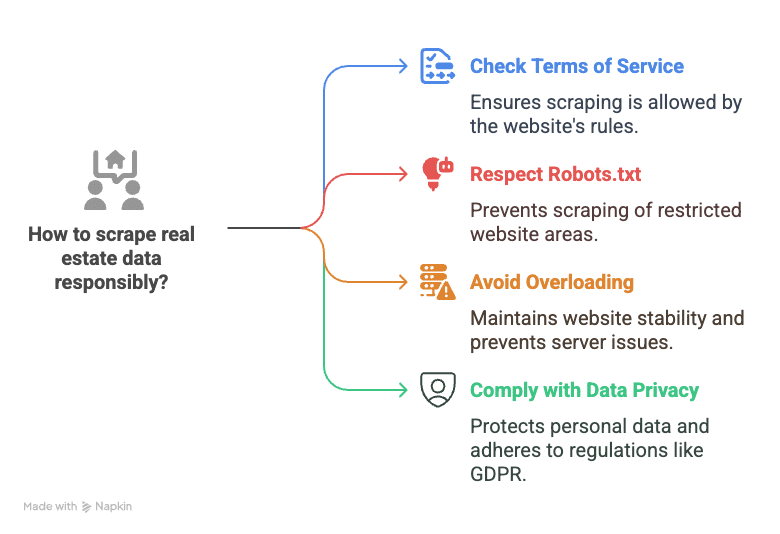
While web scraping real estate data offers many benefits, it’s important to keep legal and ethical considerations in mind. Here are some guidelines to ensure you’re scraping responsibly:
- Check Website Terms of Service: Always review the terms of service for websites you scrape to ensure that web scraping is allowed. Many websites have specific rules regarding data collection.
- Respect Robots.txt: Before scraping a website, check the robots.txt file to see if scraping is allowed. This file tells you which parts of the website can be scraped and which should be avoided.
- Avoid Overloading Websites: Be mindful of the frequency and volume of requests you send to a website. Excessive scraping can overload servers and cause issues for the website owner.
- Data Privacy: Ensure that you comply with data privacy regulations, such as GDPR, when scraping personal data.
Conclusion: The Power of Web Scraping Real Estate Data
Web scraping real estate data is an invaluable tool for businesses and professionals in the real estate industry. Whether you’re tracking property prices, analyzing market trends, or generating leads, web scraping allows you to automate the process and gain insights in real-time. With the right tool, such as ParseHub, Octoparse, or Scrapy, you can streamline your data collection and stay ahead of the competition in a fast-paced market.
For more information on how Easy Data can help with your web scraping needs, visit EasyData.io.vn.
External Links
Leave a Reply