
Introduction: Why Understanding the Purpose of Web Scraping is Essential for Your Business
In today’s fast-paced digital world, the ability to gather accurate and real-time data from websites is crucial for staying competitive. The purpose of web scraping goes beyond just collecting data—it enables businesses to make informed decisions, track market trends, and improve their strategies. By automating the data extraction process, web scraping helps businesses save time, reduce costs, and stay ahead of the competition. In this article, we’ll explore the various purposes of web scraping and how it can drive success across industries.
What is Web Scraping?
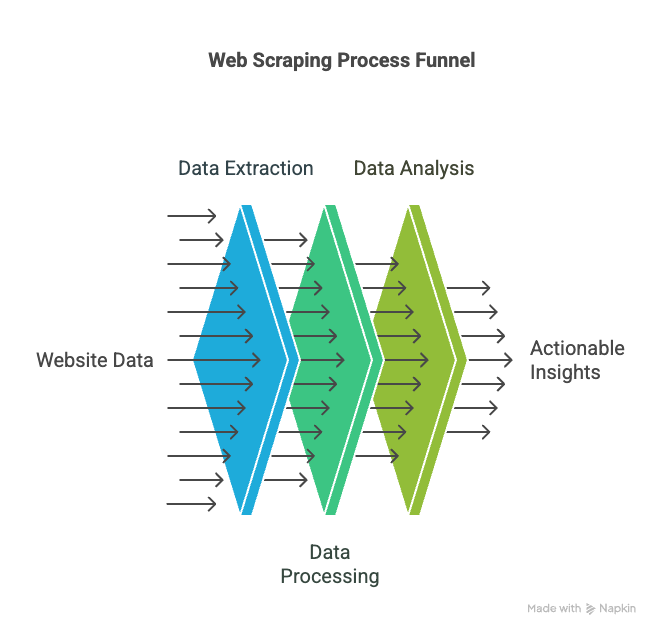
Web scraping is the process of extracting data from websites using automated tools or scripts. This data can include anything from product listings and prices to customer reviews, stock prices, and more. Web scraping is an essential tool for businesses, researchers, and developers looking to gather large amounts of data quickly and efficiently. The data collected through web scraping can be used for a variety of purposes, depending on the needs of the business or individual.
The purpose of web scraping is to automate the data collection process, making it easier for businesses to access the information they need without manually browsing websites. By extracting data from websites, businesses can gain valuable insights into their industry, competitors, and customers, helping them make data-driven decisions.
Key Purposes of Web Scraping
-
Market Research and Analysis
One of the main purposes of web scraping is to gather data for market research. By scraping product listings, prices, reviews, and more from competitor websites and online marketplaces, businesses can gain valuable insights into market trends, customer preferences, and competitor strategies. This information helps businesses identify opportunities, monitor demand, and adjust their offerings to meet customer needs.
Why it’s important: Market research is crucial for staying competitive and adapting to changes in the market. Web scraping automates the process, saving time and providing up-to-date data for analysis.
-
Competitive Analysis
Web scraping plays a critical role in competitive intelligence. By scraping competitor websites, businesses can track pricing strategies, promotions, product offerings, and other key metrics. This helps businesses understand how their competitors are positioning themselves in the market and adjust their strategies accordingly.
Why it’s important: Monitoring competitors is essential for maintaining a competitive edge. With web scraping, businesses can stay informed about competitor activities and make adjustments to their own offerings in real-time.
-
Lead Generation
The purpose of web scraping is not limited to market research and competitor analysis; it’s also a powerful tool for lead generation. By scraping business directories, job boards, and social media platforms, businesses can automatically collect contact information, company details, and job postings. This helps sales teams target potential leads and generate new business opportunities.
Why it’s important: Lead generation is crucial for sales growth. Web scraping allows businesses to automate the process of finding new leads, saving time and improving efficiency.
-
Price Monitoring and Dynamic Pricing
Web scraping is commonly used for price monitoring. By scraping product prices from competitor websites or e-commerce platforms, businesses can track pricing trends and ensure they remain competitive. With real-time data, businesses can implement dynamic pricing strategies, adjusting their prices based on demand, competitor pricing, and other market conditions.
Why it’s important: Price monitoring is vital for businesses that operate in competitive markets. Web scraping provides up-to-date pricing information that allows businesses to make quick pricing decisions and maintain profitability.
-
Sentiment Analysis and Customer Feedback
Web scraping can also be used to analyze customer sentiment. By scraping reviews, comments, and social media posts, businesses can gain insights into customer opinions, feedback, and satisfaction. This data can help businesses improve their products and services and enhance the customer experience.
Why it’s important: Understanding customer sentiment is crucial for improving customer satisfaction and retention. Web scraping helps businesses gather and analyze customer feedback to make improvements and drive loyalty.
-
Data Aggregation
In many industries, businesses need to gather data from multiple sources for analysis. Web scraping allows businesses to aggregate data from various websites, creating a centralized repository of valuable information. This data can then be analyzed to identify trends, make forecasts, or inform business decisions.
Why it’s important: Aggregating data from multiple sources provides a more comprehensive view of the market, enabling businesses to make better-informed decisions based on a broader set of data.
-
Financial Market Data Collection
Web scraping is frequently used in the financial industry to collect real-time stock prices, market news, and company performance data. By scraping financial websites, businesses can gather up-to-date data for analysis and decision-making. This is especially useful for analysts, traders, and investors who need to track market conditions and make timely investment decisions.
Why it’s important: Real-time financial data is crucial for making informed investment decisions. Web scraping automates the collection of this data, providing quick access to critical market information.
How Web Scraping Benefits Different Industries
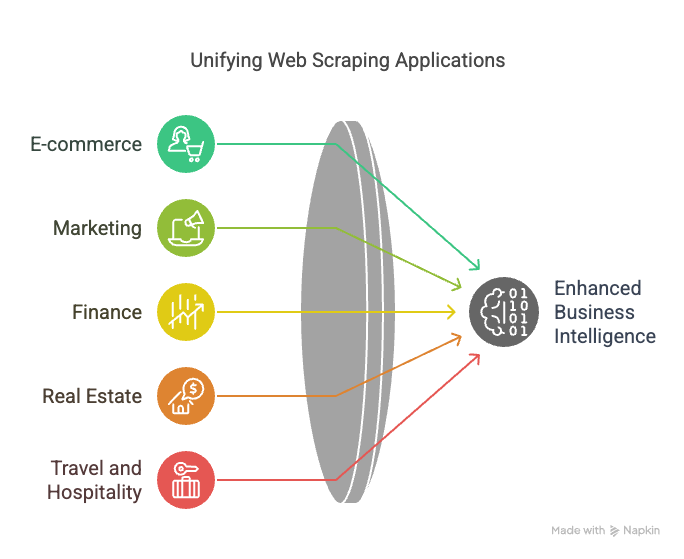
Web scraping has a wide range of applications across various industries:
- E-commerce: Price monitoring, competitor analysis, and product listing aggregation.
- Marketing: Social media sentiment analysis, customer feedback collection, and competitor tracking.
- Finance: Real-time stock prices, market analysis, and financial news scraping.
- Real Estate: Property listing aggregation, price tracking, and market trend analysis.
- Travel and Hospitality: Price comparison, competitor price monitoring, and hotel booking data collection.
Legal and Ethical Considerations in Web Scraping
While web scraping offers many benefits, it’s essential to consider the legal and ethical implications:
- Check Website Terms of Service: Many websites have terms that prohibit scraping. Always review the terms of service before scraping any website.
- Respect Robots.txt: Websites often use robots.txt files to specify which parts of their site can be scraped. Make sure to follow these guidelines to avoid legal issues.
- Data Privacy: Ensure that your scraping activities comply with data privacy laws like GDPR and CCPA.
Conclusion: The Purpose of Web Scraping for Business Growth
The purpose of web scraping goes far beyond just extracting data from websites—it enables businesses to gather valuable insights, track market trends, and make data-driven decisions. Whether you’re in e-commerce, marketing, finance, or any other industry, web scraping can provide you with the data you need to optimize your strategies, improve customer experiences, and stay competitive in a rapidly changing market.
For more information on how Easy Data can help with your web scraping needs, visit EasyData.io.vn.
External Links
Leave a Reply