
In today’s data-driven world, access to accurate and comprehensive information can give businesses a significant edge. Web scraping services have emerged as powerful tools for collecting and analyzing data from the web efficiently. But what exactly is a web scraping service, and how can businesses use it responsibly? This article explores the fundamentals of web scraping services, their common applications, and the legal considerations you need to keep in mind.
What Is Web Scraping Service?
A web scraping service is a specialized solution that automates the process of extracting data from websites. It leverages tools and software to gather information, such as prices, reviews, product descriptions, and more, from web pages. These services are widely used to collect structured data in a format that can be easily analyzed, such as CSV or JSON files.
Unlike manual data collection, web scraping services use scripts or bots to access and extract information at scale, saving time and resources. Businesses can either use pre-built scraping tools or hire experts to develop customized solutions tailored to their specific needs. For more information on reliable web scraping services, visit Easy Data.
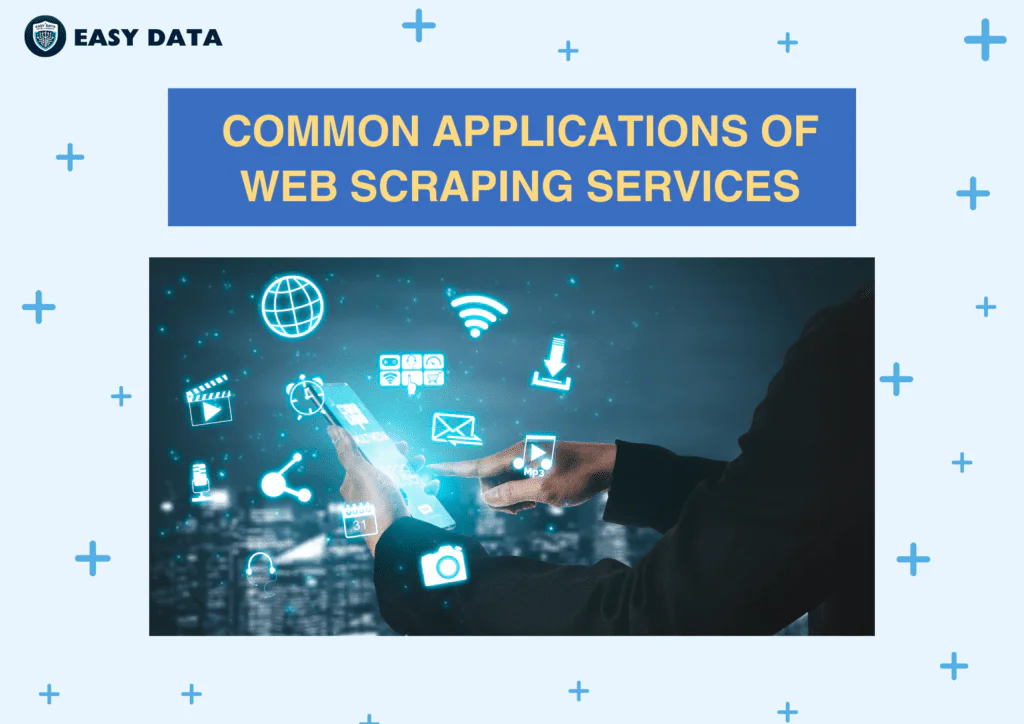
Common Applications of Web Scraping Services
Web scraping services have a broad range of applications across industries. Here are some of the most common use cases:
-
E-Commerce Price Monitoring
E-commerce businesses use web scraping to monitor competitor prices, track market trends, and adjust their pricing strategies in real-time. For example, by tracking product prices across multiple platforms, businesses can identify opportunities for competitive pricing and maximize profits. -
Market Research
Companies gather data from various online sources to analyze customer behavior, preferences, and emerging industry trends. This data provides valuable insights that help businesses adapt to changing market demands and improve decision-making. By understanding customer needs, companies can tailor their products and services for better engagement. -
Lead Generation
Web scraping helps collect contact details, company profiles, and other business information for targeted marketing campaigns. These details are often extracted from directories, LinkedIn profiles, or industry-specific websites. Businesses can refine their strategies by accessing up-to-date and accurate data on potential clients. -
Content Aggregation
Platforms like news aggregators use web scraping to gather articles, blogs, and other content from multiple websites for display on their platforms. This ensures users have access to a variety of information in one place, saving time and effort. Content aggregation is particularly useful for comparison websites and review platforms. -
Job Market Analysis
Recruiters and job seekers use web scraping to extract job postings, salaries, and company details from job portals. This allows recruiters to identify talent trends and job seekers to discover opportunities aligned with their skills. For businesses, analyzing job market data can reveal insights into workforce availability and salary benchmarks. -
SEO and Digital Marketing
Web scraping enables businesses to collect keyword data, backlink profiles, and website metrics for improved search engine optimization. Tools like Ahrefs and SEMrush utilize web scraping techniques to provide actionable insights. By leveraging this data, marketers can enhance their strategies and achieve better search engine rankings. -
Academic Research
Researchers extract data from online journals, datasets, and other sources for their studies. This can involve gathering large datasets for machine learning projects or academic papers. Web scraping facilitates faster data collection, enabling researchers to focus on analysis and experimentation. -
Real Estate Market Analysis
Real estate professionals use web scraping to gather data on property listings, rental prices, and market trends. This information helps investors make informed decisions and understand regional market conditions. Access to detailed property data can also support pricing strategies and investment forecasts. -
Travel and Hospitality Insights
Travel agencies and hospitality businesses use web scraping to gather pricing data from airlines, hotels, and other service providers. By analyzing this information, businesses can offer competitive packages and attract more customers. -
Financial Market Monitoring
Web scraping is used to extract data from financial reports, stock market updates, and economic indicators. Investors and analysts rely on this information for real-time decision-making and portfolio management.
Legal Considerations of Web Scraping
While web scraping is an invaluable tool for data collection, it raises several legal and ethical concerns. To ensure compliance and avoid disputes, businesses must consider the following:
-
Terms of Service (ToS) Violations
Many websites include clauses in their ToS prohibiting web scraping. Violating these terms can lead to legal action or restricted access to the site. Before scraping, review the ToS of the targeted website to ensure compliance. -
Intellectual Property Rights
The data on a website may be protected by copyright or other intellectual property laws. Always verify whether the data can be legally reused. For example, scraping copyrighted images or proprietary datasets can result in legal disputes and potential financial penalties. -
Privacy Regulations
If web scraping involves personal data, ensure compliance with privacy laws such as the General Data Protection Regulation (GDPR) or the California Consumer Privacy Act (CCPA). These laws mandate responsible handling of personal information to protect individuals’ rights. -
Robots.txt Compliance
Websites often use a robots.txt file to communicate scraping permissions. Ethical web scraping should respect these directives. Ignoring them may result in being blocked by the website’s administrators and could harm your organization’s reputation. -
Avoiding Harmful Practices
Excessive or poorly implemented web scraping can overload a server, causing disruptions. Always ensure your scraping practices are non-intrusive and responsible. Implementing rate limits and using proxies can help mitigate potential server overloads.
Best Practices for Responsible Web Scraping
To leverage web scraping services ethically and legally, follow these best practices:
- Obtain Permissions: Seek explicit permission from website owners when possible. For example, many websites have APIs that provide data access within legal bounds.
- Respect Robots.txt: Adhere to the guidelines outlined in the robots.txt file of the website. Use tools that can automatically identify and comply with these rules.
- Use Publicly Available Data: Focus on extracting publicly accessible data to minimize legal risks. Avoid accessing restricted or sensitive information to stay within ethical boundaries.
- Consult Legal Experts: Work with legal professionals to ensure compliance with applicable laws and regulations. This is particularly important when operating in multiple jurisdictions with varying laws.
- Limit Data Requests: Avoid excessive requests that could disrupt a website’s functionality. Rate-limiting and proxy usage can help maintain ethical scraping while protecting the targeted site’s infrastructure.
For businesses in Southeast Asia looking for ethical and effective data collection solutions, Easy Data offers comprehensive web scraping services tailored to meet diverse needs. They prioritize compliance and provide scalable solutions for businesses of all sizes.
Conclusion
Web scraping services are indispensable for businesses looking to gain actionable insights and maintain a competitive edge. From market research to SEO optimization, the applications are vast and impactful. However, it is crucial to approach web scraping responsibly by adhering to legal and ethical guidelines. By balancing innovation with compliance, businesses can harness the power of web scraping services to achieve their goals without compromising integrity.
Ready to explore how web scraping can benefit your business? Visit Easy Data to learn more about professional web scraping solutions and how they can transform your data strategy.
Leave a Reply