
Introduction: Why Web Scraping LinkedIn Jobs is Crucial for Recruitment
LinkedIn is one of the most powerful platforms for job listings and recruitment. However, manually tracking job postings, company profiles, and job descriptions can be time-consuming. Web scraping LinkedIn jobs offers a solution to automate the process, making it easier for recruiters and businesses to gather relevant job market data. By automating the extraction of job listings, salaries, qualifications, and company details, you can enhance your recruitment strategy and stay ahead of industry trends. In this article, we’ll explore how web scraping LinkedIn jobs can benefit your recruitment efforts and provide valuable insights into the job market.
- Introduction: Why Web Scraping LinkedIn Jobs is Crucial for Recruitment
- What is Web Scraping LinkedIn Jobs?
- Key Benefits of Web Scraping LinkedIn Jobs
- How to Scrape LinkedIn Jobs for Better Recruitment Insights
- Legal and Ethical Considerations for Web Scraping LinkedIn Jobs
- Conclusion: Streamlining Recruitment with Web Scraping LinkedIn Jobs
What is Web Scraping LinkedIn Jobs?
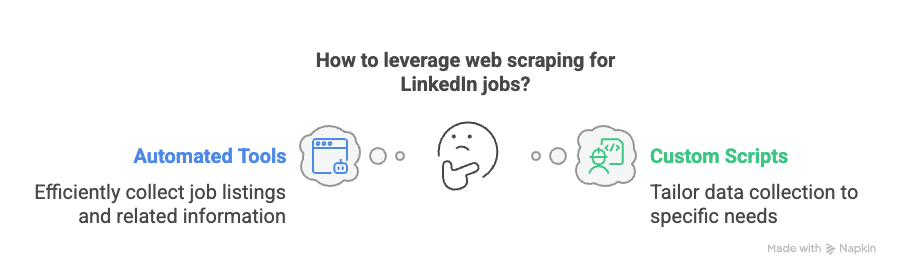
Web scraping LinkedIn jobs involves using automated tools or scripts to collect job listings and related information from LinkedIn. This data can include job titles, company names, salaries, required skills, and other job-specific details. Web scraping tools can help businesses, recruiters, and job seekers collect large volumes of job data quickly, saving time and effort compared to manual searches.
By scraping LinkedIn job listings, businesses can monitor hiring trends, track industry demand for certain roles, and analyze how competitors are hiring. It’s an efficient way to stay informed about the job market and make data-driven decisions.
Key Benefits of Web Scraping LinkedIn Jobs
-
Automated Job Data Collection
One of the main advantages of web scraping LinkedIn jobs is the automation of job data collection. Rather than manually searching for job listings, a scraper can automatically collect job postings and related details from LinkedIn, saving valuable time. This allows recruiters to access a wide variety of job opportunities without the need for manual effort. -
Access to Real-Time Data
In the competitive world of recruitment, having access to real-time job data is crucial. Web scraping LinkedIn jobs provides up-to-date listings, salary information, and hiring trends. This ensures that businesses are always aware of the latest job opportunities and can adjust their recruitment strategies accordingly. -
Job Market Trend Analysis
By scraping LinkedIn job listings over time, businesses can gain insights into hiring trends, the demand for specific skills, and industry-specific requirements. For example, if you notice an increase in the number of data science jobs posted, it could indicate a growing demand for tech talent. These insights can guide hiring strategies and help businesses stay competitive in the talent market. -
Improved Recruitment Strategy
Web scraping LinkedIn jobs allows recruiters to track which companies are hiring, what positions they’re offering, and the specific qualifications they’re seeking. This helps businesses identify skill gaps in the job market, enabling them to target their recruiting efforts more effectively. Additionally, by collecting salary data, businesses can optimize their compensation strategies to attract top talent. -
Lead Generation for Recruitment Agencies
For recruitment agencies, web scraping LinkedIn jobs can help generate a list of potential candidates or clients. By scraping job listings and company information, recruitment agencies can target businesses that are actively hiring and offer their recruitment services. This automated approach allows agencies to find new leads and expand their client base.
How to Scrape LinkedIn Jobs for Better Recruitment Insights
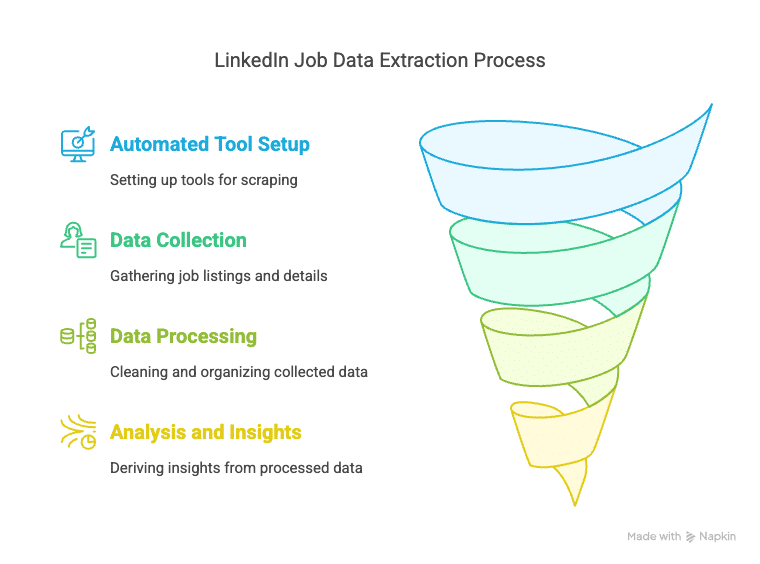
To effectively collect LinkedIn job data, follow these steps:
1. Choose the Right Web Scraping Tool
There are various tools available for web scraping LinkedIn jobs. Some popular tools include:
- Scrapy: An open-source Python framework that’s great for large-scale scraping projects.
- Octoparse: A user-friendly, no-code tool that allows you to scrape job listings without technical knowledge.
- ParseHub: A visual scraping tool that can handle dynamic content and complex websites.
- BeautifulSoup: A Python library for parsing HTML, ideal for customized scraping solutions.
2. Identify the Data You Want to Scrape
Before you start scraping LinkedIn, define the data points you want to collect. Some examples of data you might want to extract include:
- Job titles and descriptions
- Company names and industries
- Required skills and qualifications
- Salary ranges (if available)
- Job location and work type (remote or on-site)
By defining your data collection needs, you ensure that the scraper collects only the relevant information.
3. Set Up Scraping Parameters
Once you’ve chosen your scraping tool and defined your data points, set up the parameters for your scraper. This includes:
- Target URLs: Specify which LinkedIn job listing pages you want to scrape.
- Frequency: Decide how often you want to collect data (e.g., daily, weekly).
- Output Format: Choose the format you want to export the data in (e.g., CSV, Excel, JSON).
4. Run the Scraper and Monitor the Process
Once your tool is set up, run the scraper to start collecting job data. Be sure to monitor the process to ensure the scraper is extracting the correct information and that there are no issues with missing data or formatting errors.
5. Clean and Analyze the Data
After scraping the data, clean and organize it to ensure it’s ready for analysis. This might involve removing duplicate entries, standardizing job titles, and categorizing skills. Once cleaned, the data can be analyzed using tools like Excel or business intelligence platforms to extract insights that can inform your recruitment strategies.
Legal and Ethical Considerations for Web Scraping LinkedIn Jobs
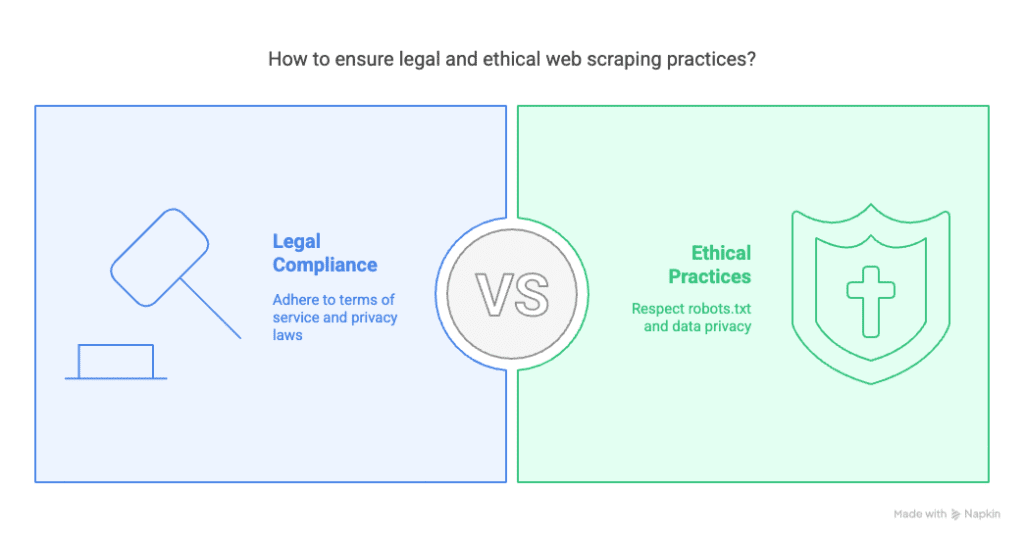
While web scraping LinkedIn jobs offers many benefits, it’s essential to adhere to legal and ethical guidelines:
- Review LinkedIn’s Terms of Service: LinkedIn’s terms of service prohibit scraping of their website without permission. Always check and ensure compliance with their terms before proceeding with scraping.
- Respect Robots.txt: LinkedIn may use a robots.txt file to control which parts of their site can be scraped. Make sure your scraping efforts are in compliance with this file.
- Limit Your Scraping Frequency: Excessive scraping can put strain on LinkedIn’s servers. It’s important to scrape data at a reasonable rate to avoid being blocked or banned.
Conclusion: Streamlining Recruitment with Web Scraping LinkedIn Jobs
Web scraping LinkedIn jobs is a powerful tool for recruiters, job seekers, and businesses looking to stay ahead in the competitive job market. By automating job data collection, businesses can track market trends, monitor competitor hiring strategies, and optimize recruitment efforts. With the right tools and ethical practices, web scraping can enhance your recruitment strategy and help you make more informed hiring decisions.
For more information on how Easy Data can help with your web scraping needs, visit EasyData.io.vn.
External Links
Leave a Reply